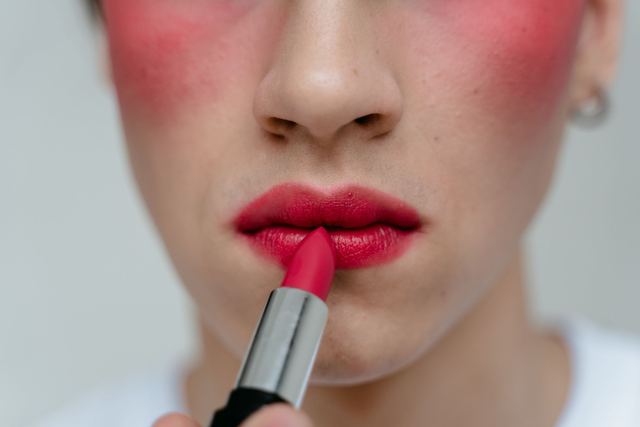
Celebrity beauty coverage is most useful when it separates three things: what a person actually does, what a product actually contains, and what a brand is paying to have said. A routine described in an interview is a snapshot taken at one moment, usually with professional support that the reader does not have, and often with a commercial relationship somewhere in the frame. It is not a method. Celeb News reads this area with that distinction in mind. Readers interested in the training side of the same subject can see how stars structure their workouts.
Skincare routines: what holds up and what does not
The routines that dermatologists tend to endorse are shorter than the ones that get published. A cleanser, a treatment with an active ingredient, a moisturiser and daily sun protection cover most of what evidence supports. The ten-step versions that circulate are usually the product of access rather than necessity: someone who is offered every launch will try every launch. What is worth extracting from the coverage is the reasoning rather than the list, and the performers who explain why they use something are considerably more useful to read than those who simply name it. A simple test helps: if the interview never mentions skin type, sensitivity or what the person stopped using, it describes a shelf, not a routine.
Red carpet make-up and the work that is not visible
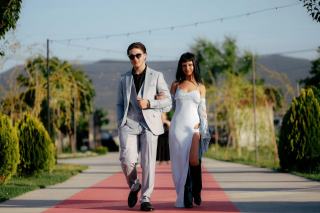
Event make-up is built for photography under strong directional light, which is why it rarely translates to daylight. Bases are heavier, contouring is more pronounced and the finish is chosen to survive several hours and hundreds of flashes. Make-up artists who share their process describe preparation as the larger part of the job: skin condition on the day determines what is possible, and no amount of product compensates for a base that has not been looked after. That is the part of the process most likely to be relevant to a reader, and the part most often left out. The finished image is also rarely the raw one: published portraits are routinely retouched, so the skin seen in a campaign is partly the work of an editor rather than of any cream.
Hair transformations and the cost of the change
A significant hair change is one of the few things a famous person can do that reliably generates coverage, which is one reason they happen around promotional cycles. The practical detail worth knowing is that dramatic colour changes are frequently achieved with wigs and extensions rather than with bleach, particularly during filming, because a production cannot risk damage to hair that has to match across months of shooting. Coverage that treats every transformation as permanent misleads readers about what is involved and what it costs.
Brands founded by famous names
The commercial layer is now inseparable from the editorial one. A performer discussing a routine may own part of what they are describing, and disclosure practice varies from one country to another. In France, the law on commercial influence requires paid content to be labelled as advertising or as a commercial collaboration, and photos altered by retouching or a filter to say so. The ventures that have lasted tend to be those where the product solved a real gap rather than borrowing a name, which is a pattern examined in more detail in our coverage of companies built by famous founders. Celeb News notes the ownership when it exists, because a recommendation from an owner is a different kind of statement from a recommendation by a customer, and readers are entitled to know which one they are reading.
Reading a star routine before copying it
Is a celebrity skincare routine worth copying?
The structure often is, the shopping list rarely. Keep the logic (cleanse, treat, moisturise, protect from the sun) and choose products for your own skin, ideally with advice from a pharmacist or dermatologist when a strong active ingredient is involved.
How can you tell when a beauty recommendation is paid?
Look for an advertising or partnership label on the post, check whether the person owns or co-owns the brand, and be wary when only one label appears across every interview. Ownership is not proof that a product is poor, but it changes the weight of the endorsement.
Why does red carpet make-up look so different in person?
Because it is designed for cameras and flash, not for the human eye at close range. Heavier coverage and stronger contour read as natural in a photograph and as heavy in daylight, which is why everyday versions should be much lighter.