
Celebrity business ventures are no longer a side activity bolted onto an acting or music career. Over the past decade the most commercially successful famous names have built companies with real revenue, real staff and real balance sheets, and several are now worth more than the entertainment work that made their founders recognisable. Celeb News covers these ventures as businesses rather than as publicity, which means looking at ownership, distribution and the products themselves. For the people behind the newest of them, see the performers breaking through this year.
What separates a real company from a licensing deal
The distinction that matters most is ownership. A licensing arrangement pays a famous person a fee, or a royalty, to attach their name to someone else's product; the celebrity carries no inventory risk and makes no operational decisions. An equity venture is different. The founder owns a share of the company, sits in on product decisions and absorbs losses when a launch underperforms. Rihanna's work on Fenty Beauty is the example most often cited, and it is instructive precisely because the product range came first: an unusually wide set of foundation shades addressed a gap that existing brands had left open, and the commercial result followed from that decision rather than from the name on the box.
Brand launches and the problem of the crowded shelf
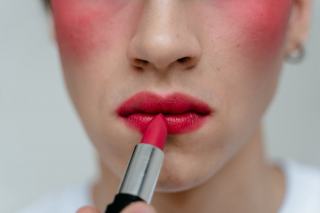
Celebrity brand launches arrive at a rate that makes differentiation difficult. Tequila, skincare, athleisure and ready-to-drink cocktails have all absorbed a wave of famous founders, and shelf space has not expanded to match. The launches that survive tend to share three traits. They enter a category the founder can speak about with some authority. They offer something the incumbents do not, whether that is a formulation, a price point or a distribution route. And they maintain consistency between the product and the public identity of the person selling it, because an obvious mismatch is the fastest way to lose the audience that the name was supposed to bring. Selena Gomez and Rare Beauty found that alignment; a great many launches never do.
Production companies and the shift towards owning the rights
The quieter and often more durable move is into production. Actors who once waited to be cast now finance development, option books and retain a share of what they help create. This changes the economics considerably: instead of a fee for appearing in a project, the founder holds an interest in every window that project is sold into. It also changes the working relationship with streaming platforms, which increasingly buy finished packages rather than commissioning from scratch. Several of the performers who have made this transition also fund philanthropic work through the same corporate structure, which is one reason the two areas are harder to separate than they once were.
Where these ventures go wrong
Failures follow a recognisable pattern. Some companies are built to be sold rather than to be run, and the product quality drops once the founder's attention moves on. Others expand into categories the founder cannot credibly discuss, which reads to customers as opportunism. A third group is undone by supply problems that have nothing to do with fame: a skincare line that cannot restock for three months loses the customers it spent a launch campaign acquiring. Celeb News reports these outcomes as carefully as the launches, because a business story told only at the announcement stage is not a business story at all. Readers following the personalities as well as the companies can start with the beauty brands built by famous founders. The value these ventures add to a founder's balance sheet is examined separately in our coverage of reported fortunes and how they are estimated.