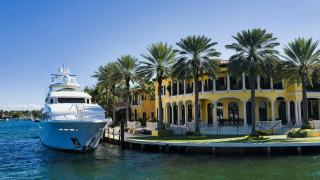

Celebrity real estate is usually written as a tour and rarely as what it mostly is, which is a portfolio decision. The houses that attract coverage are bought for a mixture of reasons, only some of which concern living in them, and the ones that recur in listings year after year are frequently investments that did not work. Celeb News covers the transactions as well as the interiors. Property held through foundations is discussed alongside our reporting on philanthropic structures.
The markets that keep recurring
A short list of locations absorbs most of this activity, and the reasons are practical rather than fashionable. Proximity to where work happens matters more than coverage suggests, which is why a small number of neighbourhoods near production centres remain dominant despite their cost. Beyond those, the recurring markets share three features: an established high-value segment that makes an unusual purchase unremarkable, legal arrangements that permit ownership through a company rather than a named individual, and enough physical separation between properties to make surveillance difficult.
What these houses are actually built for
Architecture coverage tends to focus on the visible features and to miss the requirement that shapes most of the plan, which is controlling sightlines. Long approaches, planting positioned to block elevated views, glazing angled away from public land and a service entrance separate from the main one are all responses to the same problem. The interiors that get photographed are frequently a small part of the house, and several owners maintain a set of rooms specifically for that purpose while living in a considerably plainer part of the building.
Transactions worth paying attention to
The interesting question about a purchase is rarely the price. It is whether the buyer is named, how quickly the property returns to the market, and whether the sale price bears any relation to the purchase price. Properties that resell within two years at a loss are common and rarely reported as such. Sales conducted through companies, which is now the majority at the top of these markets, make the record harder to follow, and coverage that names a buyer confidently is often relying on a single source with an interest in the attention.
Property as strategy
For performers with concentrated and unpredictable income, property serves a function that a salaried buyer does not need it for: it converts an irregular earning pattern into an asset that can be borrowed against. That explains a good deal of behaviour that otherwise looks like excess, including the ownership of several properties in the same city. It also explains why some of these houses are furnished sparsely and visited rarely. Readers interested in the wider commercial picture can continue with the brands these owners have founded.